Download the Minor Hotels App




Download the Minor Hotels App
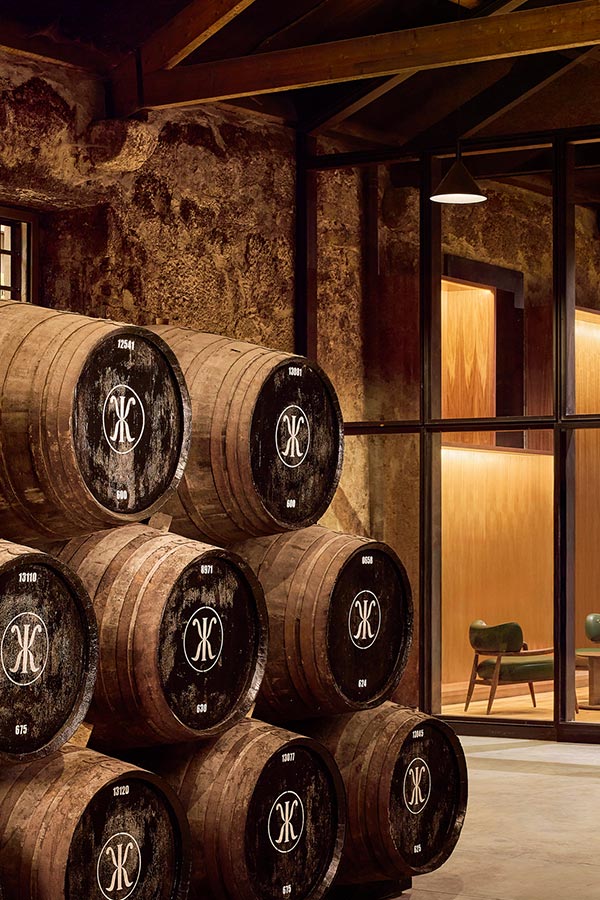
Forget France and Italy. Here are four alternative pilgrimages for the serious wine enthusiast.
BY STEVE HOBBS
When we think about great wine, most of us conjure up images of France and the sweeping vineyards of Bordeaux or Champagne. Alternatively, Italy’s Tuscany, with its earthy Chiantis and intense Barolos, may come to mind. But for true oenologists, the wine world has much more to offer.
From the ancient terraces of the Douro and the snow-fed vines of Mendoza to the pioneering slopes of Khao Yai, wine is being constantly reimagined, rediscovered and recreated. Here we profile some of Europe’s forgotten gems as well as new, up-and-coming producers.

Designer Dining with wine pairing at Anantara Palazzo Naiadi Rome Hotel
SPAIN
Among dedicated oenophiles, Spain is considered one of the great wine producers. And few regions in the country have the history and prestige of Ribera del Duero. Located high on the northern plateau of the Iberian Peninsula, the area follows the course of the Duero River, rising in the Duruelo de la Sierra and meandering west into northern Portugal.
Most of the region’s 120 square kilometres of vineyards are centred around the province of Burgos, where wine production dates back over 2,000 years to Roman times. In fact, a 66-metre mosaic of Bacchus, the god of wine, was discovered here in 1972, at Baños de Valdearados.
Blessed with a unique local climate, comprising hot, dry summers and long, harsh winters, combined with chalky, sandy and clay-rich soils, Burgos’ terroir is perfect for the cultivation of the Tempranillo grapes (known locally as Tinto Fino, or Tinta del País in Ribera del Duero) that define the region’s wines.

Wining and dining at NH Collection Palacio de Burgos’ Rincon de la Merced restaurant
Bearing similarities to the better-known and much-loved Riojas and Malbecs, these wines are deeply coloured and rich with full-bodied flavours of dark cherry and blackberry. Lending themselves to long ageing in oak casks, they pair wonderfully with meats and sausages.
For visitors to the region, NH Collection Palacio de Burgos is perfectly positioned to explore both the city’s rich wine-making history as well as its surrounding vineyards. Make time to take the 50-minute drive out to Dominio de Cair to sample some outstanding wines at a remarkable location, or enjoy the hotel’s exceptional selection of Ribera del Duero wines that Maître Baldomero González Núñez pairs with traditional Castilian dishes such as blood sausage (morcilla), suckling lamb (lechazo) and goat shoulder (paletilla de cabrito).

Banquet dining at NH Collection Palacio de Burgos.
PORTUGAL
Continuing along the Duero River down into Portugal is one of Europe’s great wine pilgrimages. As the name of the river changes to Douro, the grapes and vineyards that follow its course increasingly focus on whole new flavours of port wine.
The historic city of Porto provides an ideal gateway into the Douro Valley. A UNESCO World Heritage Site, the city’s ancient centre with its centuries-old port cellars offers a remarkable stay for wine enthusiasts. NH Collection Porto Batalha places guests in the heart of the city, within easy reach of Vila Nova de Gaia’s iconic port lodges. And just across the river, the new Tivoli Kopke Porto Gaia allows visitors the unique opportunity to stay in the cellars of the oldest port wine house in the world. Founded in 1638 and restored in 2025, Kopke’s heritage is legendary. With a portfolio of rare vintages, including tawny ports and very rare white port wines, a visit here provides access to a golden age of port production.

Wine tasting at Tivoli Kopke Porto Gaia Hotel
Whilst there, enjoy an atmospheric tasting evening combined with live Fado performances (a traditional musical form, characterised by themes of loss and longing) before continuing down through Portugal to the nation’s capital for the next leg of your wine journey.
Lisbon provides easy access to some of Portugal’s most exciting and traditional wine experiences. Sophisticated travellers base themselves at the iconic Tivoli Avenida Liberdade Lisboa (established in 1933, it is one of The Leading Hotels of the World) to explore the nearby wine route through Portugal’s largest wine-producing region, Alentejo. Highly recommended is a tasting at Fitapreta Vinhos in Evora where young and unconventional Portuguese oenologist Antonio Macanita is experimenting with the recovery of traditional and forgotten grapes.
For those with a sweeter palate, however, a trip into Setúbal to discover the fortified Moscatel de Setúbal should not be missed.

SEEN Sky Bar at Tivoli Avenida Liberdade Lisboa
ARGENTINA
The last few decades have seen the emergence of great wines from non-traditional growing regions, including South America. Argentina is particularly worthy of note, not least because the country’s premier wine-growing region, Mendoza, also contains some of the most beautiful landscapes in the world. Nestling in the foothills of the Andes, the province is famous for its high-altitude vineyards, producing exceptional Malbecs.
Argentine Malbec’s story is one of determination, innovation and more than a bit of luck. It’s one that Andres Lafarge, General Secretary of the Argentinian Sommeliers’ Association, is proud to share.
“Malbecs in Argentina started to be seriously produced in the 1960s and late-1970s,” he says. “Malbec grapes were almost extinct in their native Bordeaux in France. But we had them in Argentina. Jesuit monks had originally brought vines from Spain, and in the 19th century Michel Pouget brought Malbec cuttings, which were planted in Mendoza and thrived. We started developing the wine and exporting it around the world. So today, we feel it is something that is very much ours.”

Dining with a view at NH Mendoza Cordillera
Visitors to the region should base themselves in Mendoza City where, among the urban sprawl, you can stumble upon century-old bodegas offering tasting experiences and guided tours of the region’s many outstanding vineyards. Located in the heart of the city just steps from Plaza Independencia, NH Mendoza Cordillera hotel is an ideal starting point for exploring the region. Within walking distance of many of the city’s attractions, it’s also possible to organise excursions to the high-altitude vineyards of producers like Matias Riccitelli, who combine traditional growing techniques with innovation and technology to develop truly exceptional tasting wines.
As Lafarge says, “In Argentina, we have everything required for great wine: the soil, the climate, the grapes and the experience. But perhaps the great secret to our wine production is that we irrigate our vines with melted snow from the glaciers of the Andes. Nowhere else can say that!”

Argentina’s high-altitude vineyards produce excellent wines
THAILAND
For most people, Thailand conjures up images of white sandy beaches and cocktails by azure seas. Not vineyards and vintners. But quite aside from the islands and bustling, cosmopolitan cities, Thailand is fast becoming the centre of a distinctive and innovative Asian wine scene.

Skyline views at Avani+ Riverside Bangkok Hotel
Just a couple of hours’ drive from Bangkok, Khao Yai’s rolling hills and cooler mountain climate create a unique terroir for winemaking. The region has earned international attention for its bold experimentation, with vineyards like GranMonte setting new standards.
Here, the visitor experience is as much about the setting as it is about wine tasting. Hillside vineyards are surrounded by tropical greenery, mountain vistas and views across the Asoke Valley. It has also become an internationally regarded terroir for a wide variety of grapes, from Syrah to Chenin Blanc. In fact, growers from Champagne recently visited the region to learn how they might adapt and evolve their techniques as European summers grow ever hotter.

A guest room at Anantara Siam Bangkok Hotel

Dining with a view at SEEN, Tivoli Avenida Liberdade Lisboa
Nutawan Jumpanak, Chief Sommelier at Anantara Hotels & Resorts in Bangkok, is passionate about the future for Thai wines. “Wineries like GranMonte are creating something authentically Thai,” she says. “It takes care and time to make wine here. The days are very hot and the nights very cold on the mountain. But we are learning so much about creating great wines in a whole different environment. The clay soil has limestone running through it, which gives these wines a lovely acidity that pairs wonderfully with spicy Thai food.”
With a passion for great wine, Jumpanak is developing the next generation of homegrown sommeliers. Based out of Anantara’s flagship, Anantara Siam Bangkok Hotel, visitors here can experience her curated wine lists and pairing dinners before arranging excursions to Khao Yai National Park to see the vineyards for themselves.
Whatever your preconceptions of what makes a fine wine, there’s a world of great vineyards beyond the borders of France and Italy. Let your palate be your guide.
Discover more from the world of Minor Hotels.

The Garden Terrace pool bar at Anantara Siam Bangkok Hotel
More Like This

As Good as it Gets
Branded residences are transforming luxury travel, turning holiday accommodation into a way of life.

Silk, Style & Soul
Jim Thompson is one of Thailand’s iconic lifestyle brands and the man behind it was a visionary – a cultural custodian who turned Thai silk into a symbol of global elegance.
Sign Up for Journeys
Receive travel inspiration from minor hotels straight to your inbox