Download the Minor Hotels App




Download the Minor Hotels App
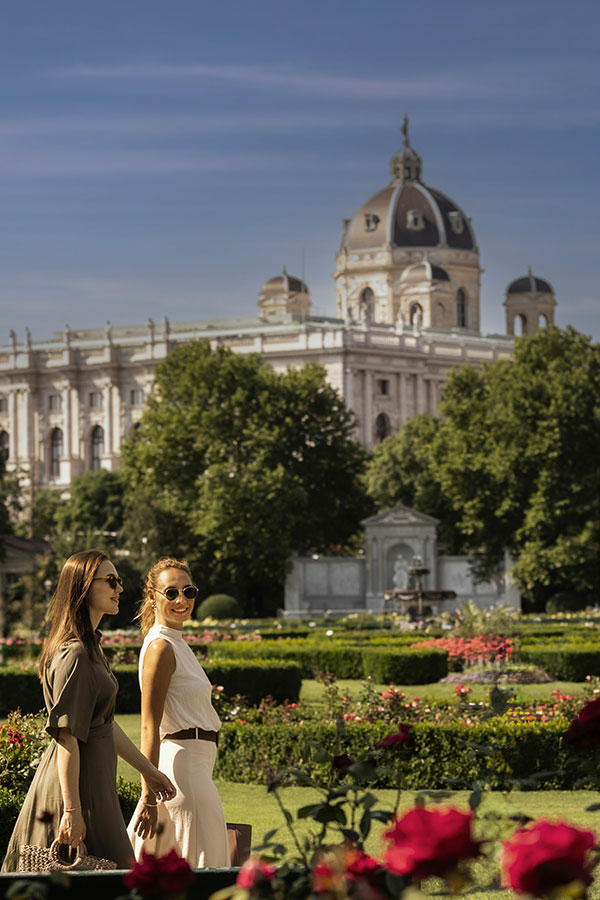
From island tides to city street, travel reveals its meaning not in motion, but in the moments when we stop rushing and begin to pay attention.
BY STEVE HOBBS
It’s a little-acknowledged condition of travelling that the worst part of any journey is getting to your destination. There are the logistics of visas, tickets and connections almost missed. The misery of airports, the tedium of trains and the menace of bus stations late at night. If travel were nothing more than constant movement, most of us would never leave the comfort of our own homes.
Travel is not a verb. It is a noun that names an experience less tangible than a flight or a bus ride. It is the thing that happens hours, sometimes days, after you arrive. It begins when the mind stops worrying about what comes next and settles into a new way of being.

Drive along Amalfi Coast at Anantara Convento di Amalfi Grand Hotel
It appears in moments when the ordinary appears extraordinary: the change of light across an unfamiliar river at dusk, a daily coffee-stop in a new café or the smell of food made with unfamiliar spices. These are the moments worth retelling. As Marcel Proust observed: “The real voyage of discovery consists not in seeking new landscapes, but in having new eyes.”
Different places create different rhythms, shaped by geography and culture. Traditional island life in the Maldives, for example, is governed by the slow cycle of ocean tides, punctuated by the call to prayer drifting across open water.

Explore Thai Buddhist temples during your stay at Anantara Bophut Koh Samui Resort
The Maldives has long been oriented around waiting: for fish to bite, for weather to shift, for boats to appear on the horizon. Time here is slow by necessity. At Naladhu Private Island Maldives, with its limited number of villas and absence of spectacle, that pace is encouraged. There are no schedules beyond the tides and weather. Mornings arrive quietly and then the days are reduced to essentials: time to eat, time to swim, time to sleep.
Time gains meaning here through repetition, not novelty. The same short walk to breakfast. The same view of water shifting from slate to turquoise as the sun rises. The soft break of waves over the reef at night. Meals are unhurried because there is nowhere else to be. With waking hours structured loosely around heat and light rather than the clock, travel becomes what it is meant to be. A way of seeing.
Stillness, however, is not the only route to this new awareness. It can also be found within movement. And few places move with greater force than New York. This is a city with a different agreement with time. It does not wait. It presses forward regardless of jet lag or the visitor’s uncertainty. In a city that never sleeps, noticing requires discipline.

Island bliss at Naladhu Private Island Maldives
Staying at NH Collection New York Madison Avenue places you in the centre of that momentum. The hotel sits between Grand Central and Fifth Avenue, a corridor of constant activity where commuters and tourists compete for space on Midtown sidewalks between the New York Public Library and iconic flagship stores. Yet the building itself offers relief. Built in 1923 and fully refurbished in 2021, it provides soundproofed rooms and calm interiors that soften the city’s noise.
Here, moving from reacting to noticing takes practice. While New Yorkers may appear perpetually in motion, what they do well is carve out pauses. Coffee breaks. Short meals. Walks through Central Park that anchor the day. A few minutes’ walk from the hotel, Charlotte Café offers respite from the city outside. Sit long enough to watch people arriving and leaving, before stepping back into the city, renewed.
Evenings bring a controlled unwinding. Jazz drifts from hidden clubs, such as Winnie’s on Bryant Park, adding new notes to the city’s constant soundscape. Cocktails here are mixed with competence rather than flourish and enjoyed without urgency.

NH Collection New York Madison Avenue puts you at the centre of it all
It is a ritual of easing from one state to another, not unlike those found in a very different place: Hoi An, in central Vietnam. Hoi An has evolved through a blend of Confucianism, Buddhism and Taoism that prioritises harmony and continuity. A trading port for centuries, it was shaped by merchants who arrived, traded and stayed longer than planned. The town still carries this habit. Days follow the slow tempo of the Thu Bon River. Tea culture encourages silence and patience.
In the old town, the Reaching Out Teahouse offers a rare experience of quiet. Established as a social enterprise, it employs local people with hearing and speech impairments. Communication takes place through wooden blocks and written notes rather than speech. The resulting atmosphere alters a simple pause for refreshment into something more profound.

Immerse in Vietnamese culture at Anantara Hoi An Resort
Nearby, Anantara Hoi An Resort sits directly on the riverbank, close enough to hear the town wake, yet far enough to avoid its early bustle. In Vietnamese culture, rivers are treated as living entities, linked to ancestral spirits. Breakfast here is taken outside, watching the water alter its colour as clouds gather or lift.
Hoi An’s history along the ancient Silk Road explains its deserved reputation for tailoring. At Tuong Tailor on Tran Hung Dao Street, three generations of the same family have refined the craft of bespoke clothing. Being measured, returning for fittings while sharing tea as the garments take shape becomes part of the day. A reminder that quality demands time and patience. By late afternoon, the river reflects the town back on itself. Boats return. Lanterns flicker and the day completes its circuit. Travel here is about temporary belonging, earned by a willingness to move at someone else’s pace.

A terrace overlooking the Thu Bon River at Anantara Hoi An Resort
Further west, Thailand offers yet another rhythm. Chiang Mai is only about an hour’s flight from Bangkok but feels centred in a different world. Shaped by mountains, rivers and agriculture, it is a city organised around planting and harvest, rain and heat, early mornings and evenings that settle with the sun.
Set on the Ping River, the waterfront is practical rather than poetic. It irrigates fields, moves goods and has long supported monastic life. Anantara Chiang Mai Resort features a former British consulate on the riverfront, offering access to the city’s more than 300 temples, including Wat Phra Singh and Wat Chedi Luang. For those drawn to nature, the forest walk to Doi Suthep provides a unique city perspective, especially at dawn.
Chiang Mai teaches patience. Monks move slowly through the streets on morning alms rounds. Markets assemble daily and irregular temple bells mark the passage of time with prayer. At night, the city gathers at its markets, particularly the Sunday Walking Street from Tha Phae Gate to Wat Phra Singh, where food, music and craft become a focus for unhurried exploration and socialising.

Lantern lighting at Anantara Chiang Mai Resort
Across continents, Vienna brings a more precise, structured experience. Shaped by administration, music and history, it carries the legacy of an imperial centre. Time here is deliberate. Trams arrive when expected. Kaffee und kuchen (coffee and cake) are taken at 3pm, sitting down, ideally with company.
Staying at Anantara Palais Hansen Vienna Hotel places you on the Ringstrasse among former civic buildings that once signalled authority. The hotel, itself a former government building, retains a sense of purpose and calm. Rooms here are generous and hushed. Understanding Vienna requires just three key activities. A walk without destination through the historic Innere Stadt, past St Stephen’s Cathedral and the Hofburg Palace, following the River Danube. Coffee taken in a traditional setting, like the magnificent Café Central, with its vaulted ceilings and links to both Freud and Trotsky. And a performance of Mozart in the Golden Hall at Musikverein. Vienna rewards attention without demanding discovery. It waits to be noticed.

Elegant luxury at Anantara Palais Hansen Vienna Hotel

Exploring the city from Anantara New York Palace Budapest Hotel
Seen this way, travel becomes a practice, not a performance. The work lies in paying attention and adapting. Eating when locals eat. Walking rather than taking a cab. What remains are not itineraries or highlights, but habits briefly borrowed and clearly understood. The journey ends not with souvenirs or photographs, but with a sense of how a place works, once you’ve learned how to look.
Discover more from the world of Minor Hotels.

Dine in the moment at Naladhu Private Island Maldives
More Like This

A Legacy of Luxury
A quarter century ago, Anantara Hotels & Resorts began its journey with the opening of its first resort on the shores of Hua Hin, Thailand. Today, its unique brand of authentic luxury can be experienced around the world.

In Praise of Second Cities
It can sometimes seem like the great city adventures have all been done. But step off the well-worn circuit, and there are world-class destinations that still have the capacity to surprise and delight.

The Many Tastes of Thailand
Thailand’s five regions offer flavours as distinctive as their landscapes and cultures, with every dish telling the story of its traditions, geography and homegrown ingredients.
Sign Up for Journeys
Receive travel inspiration from minor hotels straight to your inbox